Specialty materials for lasting medical equipment
Discover a dynamic range of specialty polymers and composites for medical equipment, engineered for durability and performance in both clinical and at-home care settings.
Discover a dynamic range of specialty polymers and composites for medical equipment, engineered for durability and performance in both clinical and at-home care settings.
Medical equipment spans a wide range of applications and use settings, from diagnostic and imaging systems to therapeutic devices and assistive technology, from hospitals to at-home care. Across these use cases, materials must balance complex and often competing demands: mechanical stability and lightweight design, chemical resistance and sterilization compatibility, dimensional precision, and long-term reliability.
Mitsubishi Chemical Group partners with medical equipment OEMs to address these challenges at the material level, applying deep polymer and materials expertise to enable robust designs, advanced manufacturing processes, and consistent performance throughout the product lifecycle.

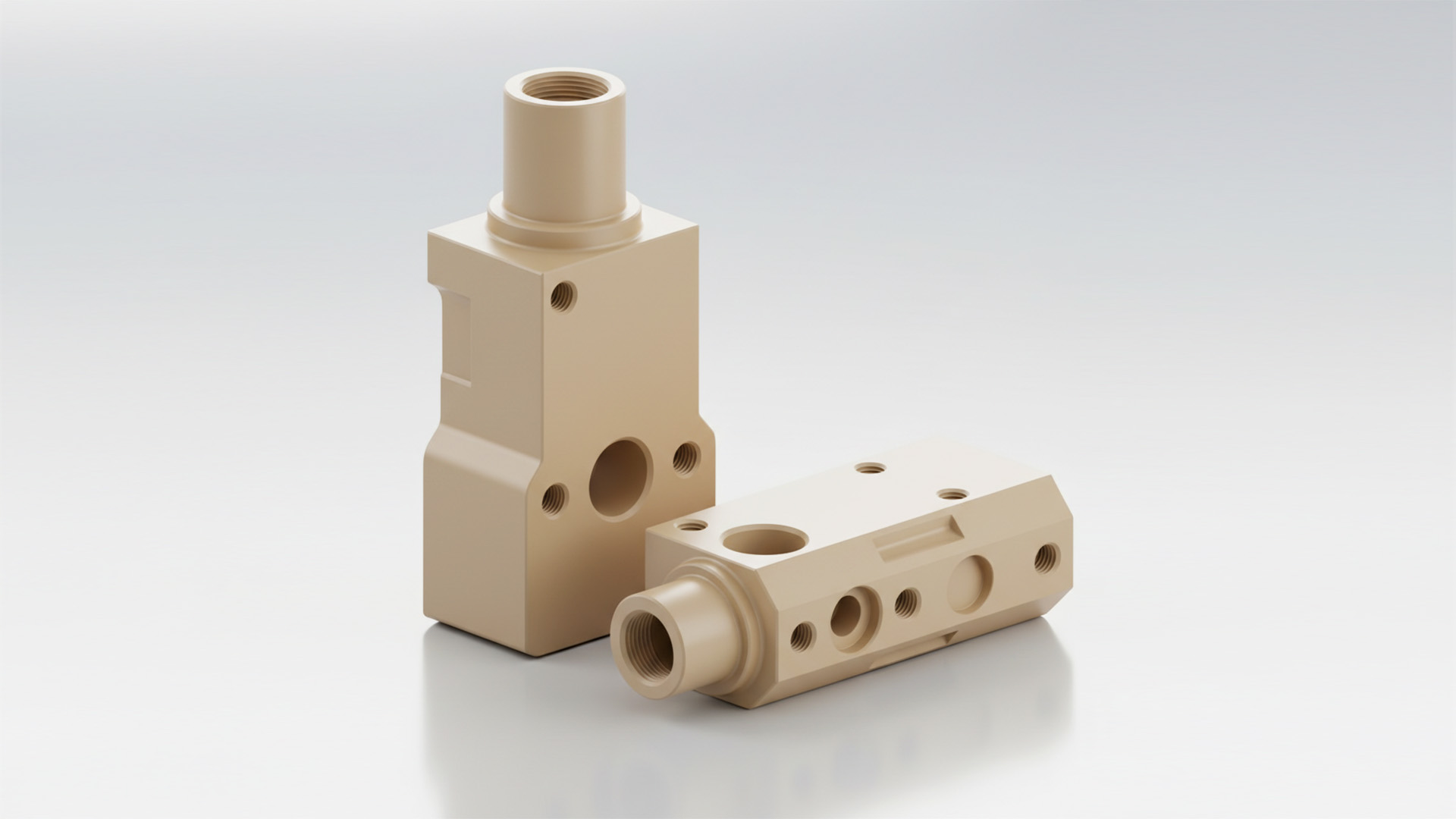
Crucial for precision, reducing contamination risks, and managing fluid flow, fluidic manifolds are widely integrated into medical and life science devices performing functions ranging from in-vitro diagnostics and drug delivery to DNA and RNA sequencing. To deliver reliable flow and leak-resistant performance, manifold components must be engineered for broad chemical compatibility, tight dimensional control, and long-term stability under demanding operating conditions.
Life Science Grade (LSG) material selection is often a central design challenge. Fluidic manifolds are exposed to aggressive chemicals, repeated sterilization cycles, and continuous mechanical stress, all while maintaining precise internal geometries and smooth surface finishes. In choosing a polymer material, medical equipment developers must balance considerations about chemical resistance, extractables, and processability. This is particularly true when designs require complex internal channels, multi-material assemblies, or high-volume production.
Mitsubishi Chemical Group supports fluidic manifold development with a portfolio of medical-grade polymers engineered for dimensional precision, stress-crack resistance, and compatibility with ultrasonic welding, solvent bonding, and overmolding. By working with you closely during material selection and design optimization, we help enable robust fluidic connections, reliable performance over the component lifetime, and scalable manufacturing that reduces development risk while accelerating time to market.
Select materials
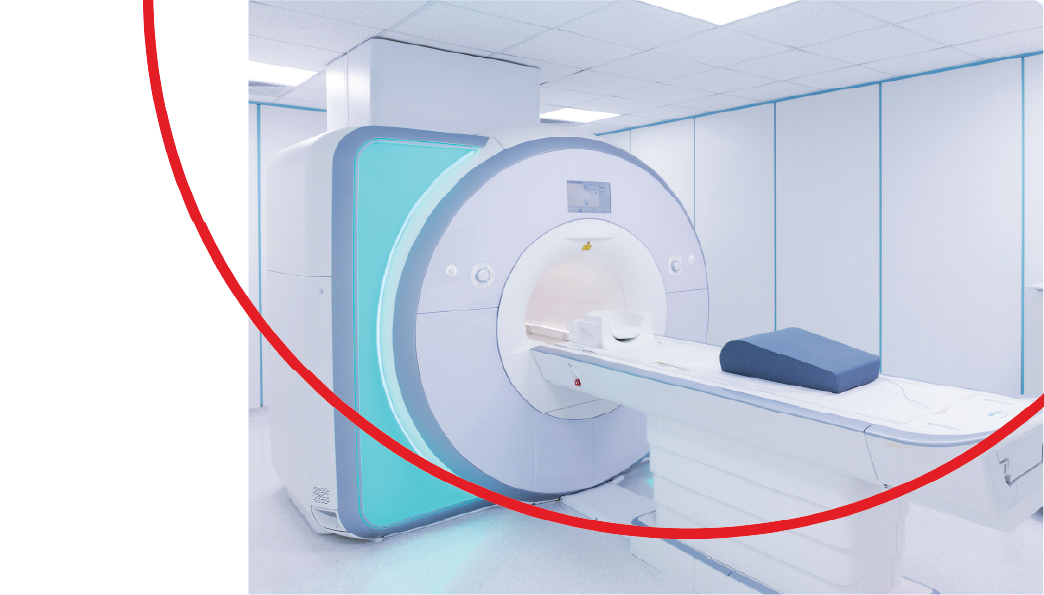
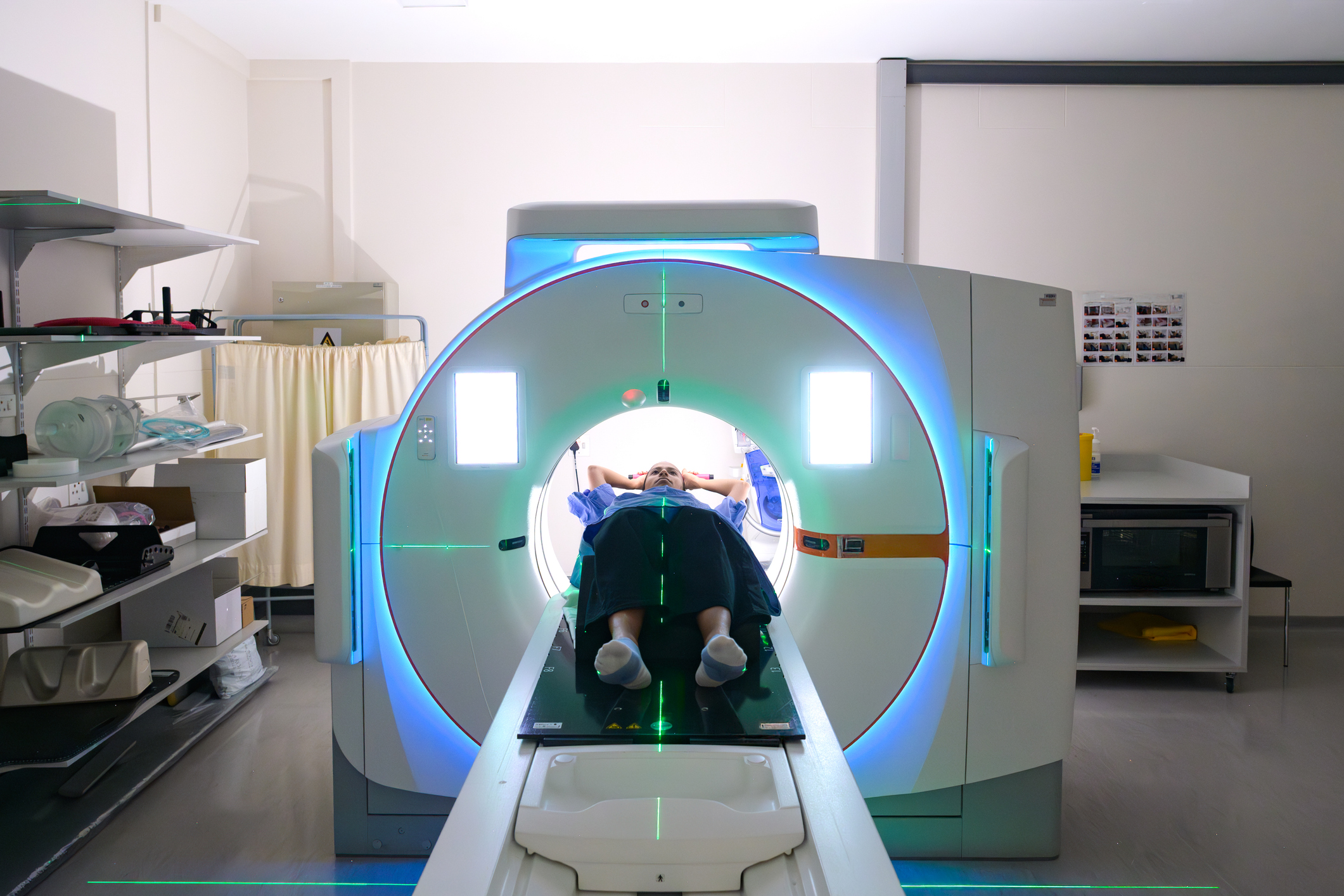
Medical imaging systems place unique, often competing demands on materials, calling for precise control over mechanical, optical, acoustic, and electromagnetic properties. Polymer and composite components used in CT, MRI, X-ray, and ultrasound equipment must not interfere with the acquisition of images, all while maintaining structural stability, patient safety, and long-term reliability in clinical environments.
Material selection is critical to minimizing image artifacts and ensuring compatibility with specific imaging modalities. OEMs must account for factors such as radiolucency, non-magnetic behavior, controlled density, acoustic transparency, and dimensional stability across temperature variations. At the same time, materials must withstand mechanical loads, repeated cleaning, and integration into large, complex assemblies such as patient tables, detector housings, transducer enclosures, and protective barriers.
Mitsubishi Chemical Group partners with imaging device OEMs to tailor polymers and composites to meet these exacting requirements. Our materials enable MRI-compatible components, CT and X-ray structures with consistent radiolucency, and ultrasound housings optimized for acoustic performance. Through early collaboration on material selection and component design, we help you reduce diagnostic interference, improve system durability, and achieve consistent performance from prototype through full-scale production.
Select materials
Prosthetic devices demand materials that balance mechanical strength, low weight, durability, and patient comfort. Furthermore, the materials must be able to support highly individualized designs. From structural load-bearing components to cosmetic and soft-touch elements, material performance directly influences functionality, wearability, and long-term patient satisfaction.
OEMs face complex trade-offs when designing prosthetics. Materials must endure repetitive mechanical stress while remaining lightweight and fatigue-resistant, all while supporting aesthetic finishes and performance requirements. Increasingly, prosthetic designs also call for compatibility with additive manufacturing, customization to patient-specific biomechanics, and surface properties that promote secure bonding and comfortable skin contact.
Mitsubishi Chemical Group supports prosthetic innovation with high-performance polymers, elastomers, and composite materials engineered for strength-to-weight optimization, process flexibility, and refined surface quality. By collaborating with you on material selection, processing methods, and finishing techniques, we help enable durable, comfortable, and highly customized prosthetic solutions that support both functional performance and scalable manufacturing.
Select materials