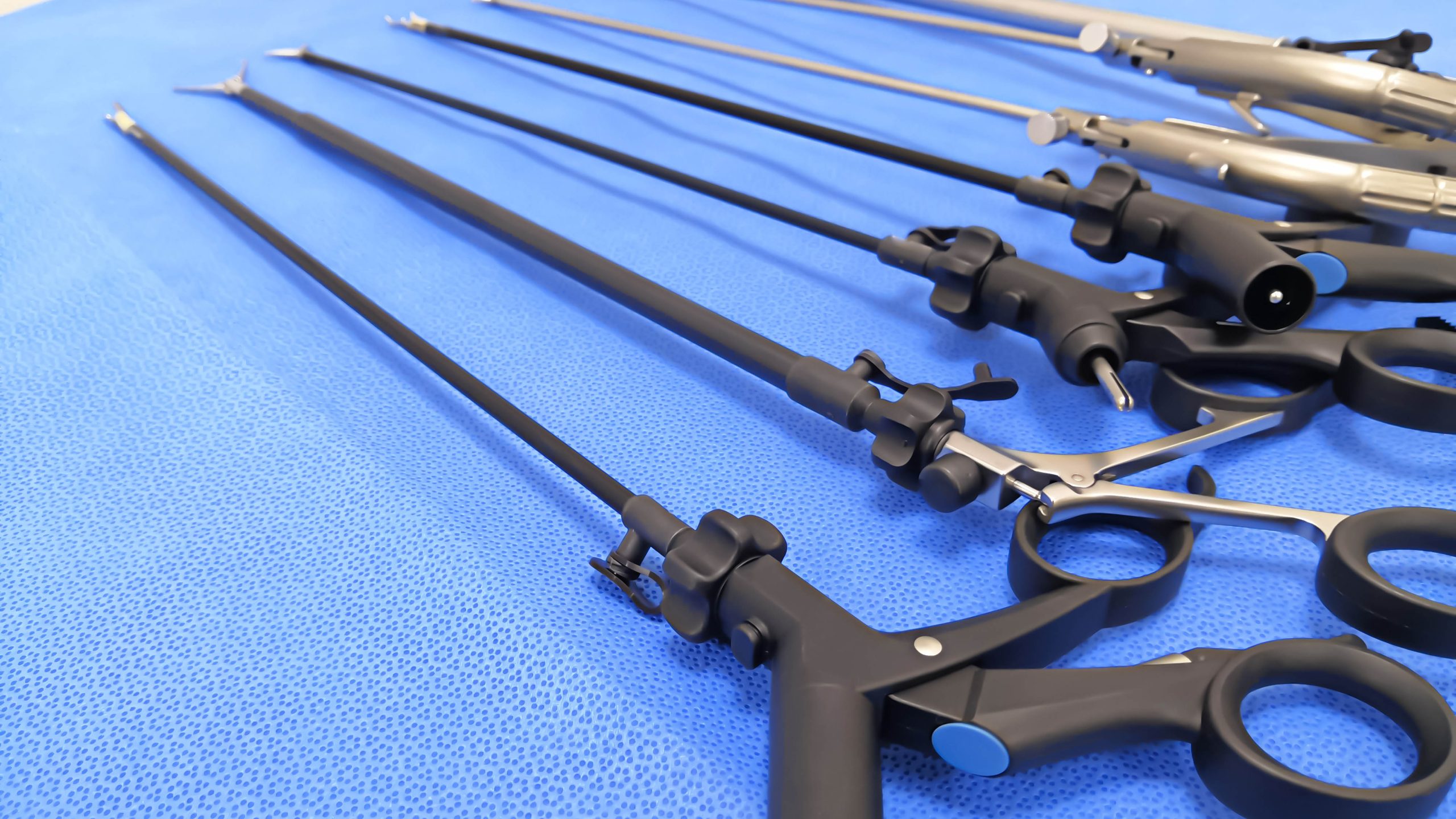
Different polymers, different sterilization methods
Different medical polymers and device applications will require different sterilization methods. “Not all medical polymers are compatible with every type of sterilization,” explains Katie Schindler, Senior R&D Scientist, Mitsubishi Chemical Group, Americas.
Common sterilization options include:
It is essential to understand early in the design process how the medical polymers intended for a specific device application may react to the chosen sterilization modality.
Ethylene oxide sterilization is a critical sterilization method–used to sterilize approximately half of sterile medical devices, according to the CDC–often chosen for devices with moisture and heat sensitivity issues that preclude steam sterilization. Devices made with thermoplastic polyurethanes (TPUs), for example, typically cannot be steam sterilized; the heat and moisture can soften and degrade the material.
While ethylene oxide sterilization is common for devices made with TPUs, it may also be possible to utilize radiation-based sterilization methods for these devices. Device manufacturers have to consider how aromatic and aliphatic TPUs react. Aliphatic TPUs tend to be less sensitive to radiation-based sterilization while aromatic TPUs are prone to changing color.
Gamma irradiation can induce changes in the molecular structure and properties of certain polymers at its standard dose of 25 kGy. For example, medical devices that have silicone rubber components will have reduced elasticity following sterilization via gamma irradiation. Some polymers, such as PEEK and polyimide, are more resistant to the effects of gamma radiation than other polymers. In contrast, PTFE and POM are very sensitive and less suitable.
Given e-beam’s shorter processing time, it typically results in “less color change and embrittlement” compared to gamma irradiation, according to Medical Device and Diagnostic Industry. X-ray irradiation also has a shorter exposure time, which often translates into less impact on polymers.
VHP is considered compatible with many polymers, but some materials, such as nylon, have compatibility issues.
Given the moisture and high temperatures involved in steam sterilization, some materials may react poorly or degrade over time. For example, steam sterilization may negatively impact laryngoscope light transmission.
These are just some of the possible material and sterilization compatibility issues to consider when evaluating materials solutions. A designer must assess all the high-performance polymers within a device assembly to ensure that they support the end use case and are compatible with the chosen sterilization technique.
“Ultimately, the medical device manufacturer must validate the chosen sterilization method for each specific device and application,” says Schindler.